What Makes Custom Food Boxes a Smarter Way to Serve and Ship Meals?
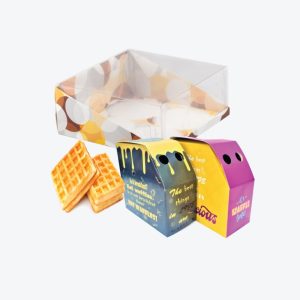
Custom food boxes are paperboard containers made to hold, protect, and carry prepared food. They fold from a flat sheet, lock into shape, and close tightly around the meal. The sturdy walls keep dishes upright and free from spills on the way to the customer. US brands also use the printed surface to promote their name with every order.
A well-shaped box frames the food before the first bite. Customers open the lid and see a neat, protected meal that matches the brand promise. That small moment lifts how people judge both the food and the business. Restaurants, bakeries, and caterers across the USA rely on custom printed food boxes to earn repeat orders.
Easy Lift-Open Lid
The lid lifts open in one smooth motion. Staff can fold and fill the box in seconds, even during a rush. Customers get easy access to the food without tearing or fumbling. That speed keeps service lines moving and orders consistent.
Tab-and-Slot Closure
Locking tabs tuck into slots to hold the lid firmly shut. No tape or glue is needed, so assembly stays simple. The closure helps prevent spills and keeps the contents safe during delivery. Reliable closing builds trust with every order.
Sturdy Food-Grade Build
Food boxes use food-grade board chosen for strength and safe contact. The material holds its shape under the weight of hot or heavy meals. Corners stay sharp and walls stay firm in transit. Strong packaging protects the meal and the reputation behind it.
Popular Structures for Custom Printed Food Boxes
Pizza Box Style
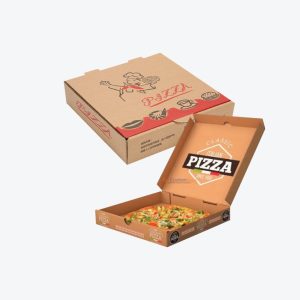
Pizza boxes are square and flat, built from corrugated board. The fluted layer adds strength and gives steam a little room to escape. Sizes run from personal pies to party rounds.
Brands print logos on the lid for strong street visibility. Delivery drivers stack them easily because the shape is uniform. Pizzerias and ghost kitchens use them to turn every delivery into advertising.
Fold-Top Takeout Carton
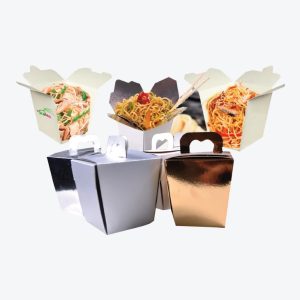
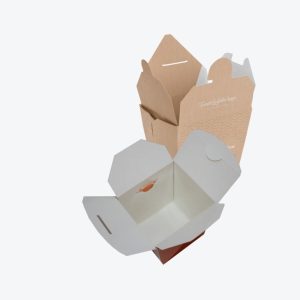
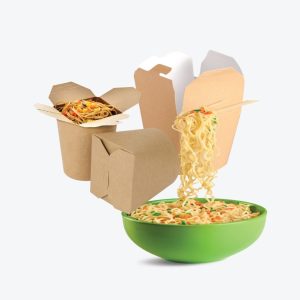
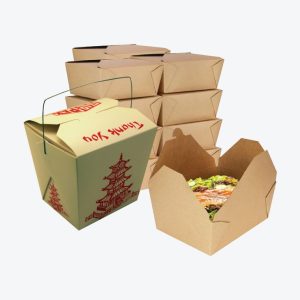
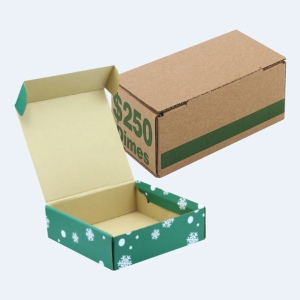
This folded paper design is often called the Chinese takeout style. It folds from one sheet into a tapered box with a tucked top. Wire handles can be added for easy carrying.
It suits noodles, rice, stir-fry, and saucy dishes. A leak-resistant coating helps hold in sauces. Restaurants and food trucks like how recognizable and portable it is.
Burger and Sandwich Cartons
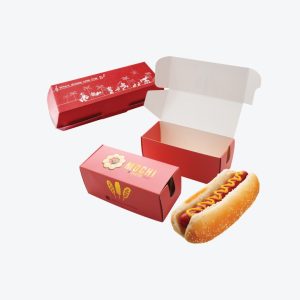
Burger boxes are compact, tall, and easy to open. Their shape holds stacked items upright without crushing them. Sandwich and hot dog versions are longer and slimmer.
Kraft board gives a natural look, and a coating can resist grease. Fast-food chains and food trucks choose them for speed. Printed sides add branding space to every order.
Sushi Window Trays
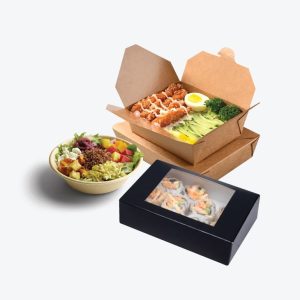
Sushi boxes often include a clear window on the lid. The window shows the rolls while the board keeps them protected. Small, medium, and large sizes cover single and shared portions.
Customers can see freshness before they open the box. Display counters look tidier with matching packs. Brands gain a premium feel without extra decoration.
Bakery Window Boxes
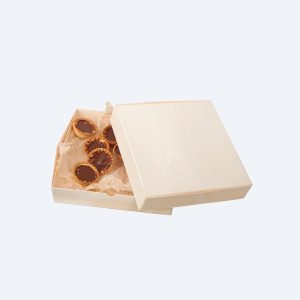
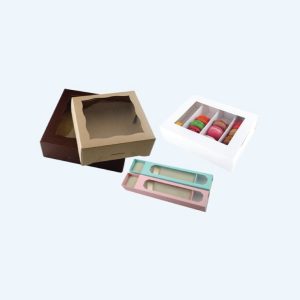
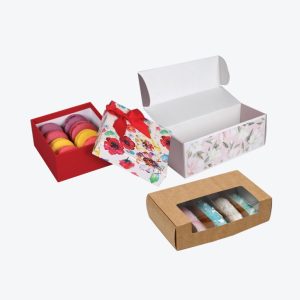
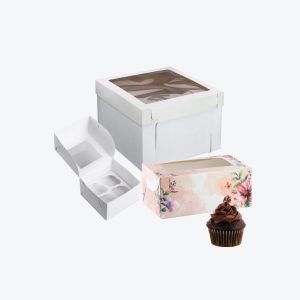
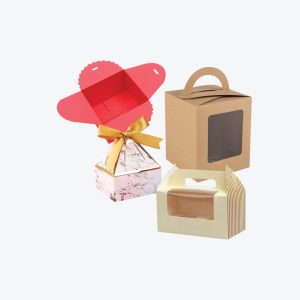
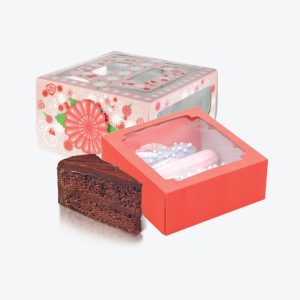
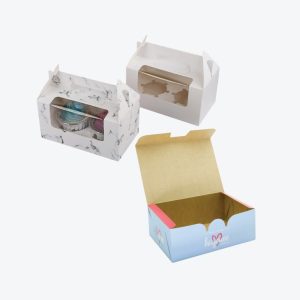
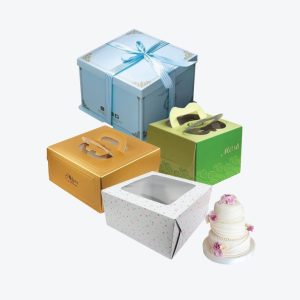
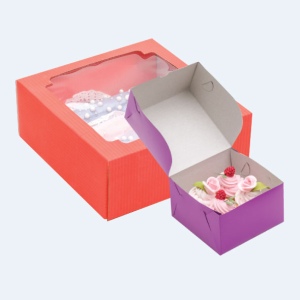
Bakery boxes carry cookies, pastries, and cakes in a square or rectangular base. Many include a window so treats can be seen at a glance. Sturdy walls protect delicate edges and toppings.
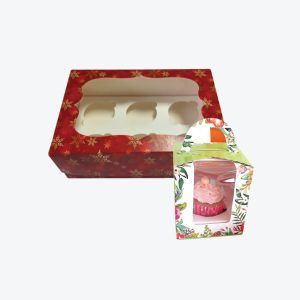
Gift buyers love a box that looks ready to hand over. Cafes can print seasonal artwork on the lid. A good bakery box turns a simple purchase into a keepsake.
Hinged Clamshell Meals
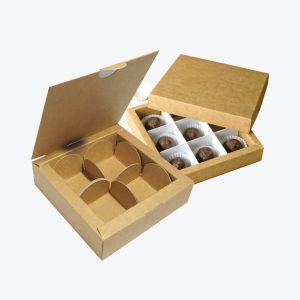
A hinged clamshell has the lid attached to the base. It closes with a snap or a tab, and some versions include compartments. Common sizes are about 8 by 8 or 9 by 9 inches.
Compartments keep sides apart from main dishes. Meals arrive neat, and the open lid works as a clean serving surface. Meal prep brands and cafes use them for combos.
Where Custom Food Boxes with Logo Earn Their Place
Food businesses of every size need packaging that looks good and keeps costs under control. Custom food boxes with logo make meals look better before the first bite. They shape first impressions the moment a customer picks up the order. Restaurants use them for takeout and delivery, while bakeries use them for gifts and counter sales. Grocery and retail brands choose them for shelf-ready snacks and prepared meals. Printing on the lid and sides lets the brand show up from every angle. Corporate launches, office lunches, and events also rely on neat, branded boxes. Seasonal campaigns and evergreen menus both benefit from artwork that can be updated at any time.
Gifting Edible Treats
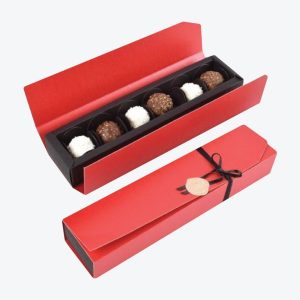
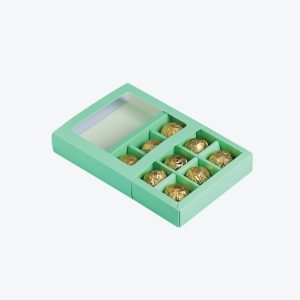
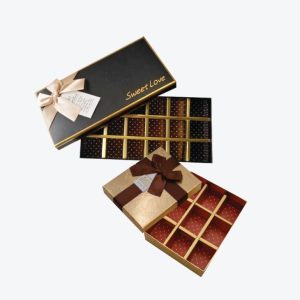
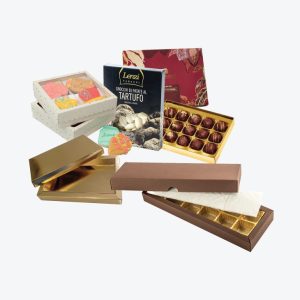
Food gifts need packaging that matches the care behind the recipe. A tidy printed box makes chocolates, cookies, and treats feel special. Customers unwrap with excitement and share the moment with others. Thoughtful gift packs build quality perception and lasting trust.
Showcasing Fresh Products
A windowed lid lets buyers see the food without opening the box. You control how items appear by choosing the cutout and layout. Attention lands right on the product at the center. Clear display lifts perceived value and speeds up the buying decision.
Retail Shelf Appeal
Shelf packaging must catch the eye in a few seconds. Matching print on every side keeps the box attractive from any angle. A printed food box stands out far more than a plain folding carton. Retailers value that visibility because it helps products sell.
Catering and Corporate Orders
Office lunches and events call for a clean, professional look. Logos and messages can be printed on lids and side panels. A thoughtful finish shows clients and employees that details matter. Neatly boxed meals make a strong impression at any business gathering.
Why Are Custom Printed Food Boxes Worth the Investment?
Food packaging has one job that matters most, which is delivering a great meal. Custom food boxes go further by adding brand value to every order. Six benefits explain why US businesses keep choosing them.
Appetizing Appearance
A clean, well-printed box makes food look more inviting. Bold color and sharp type signal care and quality. Customers feel more confident paying a fair price. Good looks help justify premium pricing.
Memorable Unboxing Moments
Opening a branded box creates a small moment of excitement. Interesting artwork keeps customers engaged a little longer. Many will recall the brand or share a photo online. That repeat exposure grows awareness without extra ad spend.
Stronger Brand Visibility
Logos sit clearly on flat panels at the center of the lid. Readable messages explain flavors, offers, or website details. Each delivered order becomes a moving advertisement. Visible branding helps neighbors and coworkers notice your business.
Dependable Protection
Sturdy board and a secure closure guard food during transport. Boxes resist crushing, leaks, and shifting inside delivery bags. Fewer damaged orders mean fewer refunds and unhappy calls. Reliable protection saves money and protects your reputation.
Freshness and Food Safety
Food-grade materials are chosen for safe contact with meals. Coatings can resist grease and moisture where needed. Proper closing helps keep food fresh until it is served. Safe packaging gives customers peace of mind with each bite.
Delivery Convenience
Flat-packed boxes take little storage space in a busy kitchen. They fold fast, so staff spend less time on assembly. Uniform shapes stack well in delivery bags and vehicles. Smooth handling keeps orders on time and customers happy.
Food Box Sizes That Fit Every Portion and Product
Size affects both food safety and presentation. A box that is too large lets food slide, while a tight box can crush it. Proper fit keeps items still, neat, and attractive from kitchen to customer. Custom Boxes Range offers standard sizes and custom sizes for food boxes wholesale orders. The right size depends on the product, whether it is a cookie, a burger, or a full meal. Dimensions below are listed in inches and centimeters for easy planning. Bulk orders can use one size across a whole menu to keep production simple. Take-out containers typically range from small side portions to large entree sizes, and boxes follow the same logic.
| Size Type | Inches (L×W×H) | CM (L×W×H) | Use Case |
|---|
| Mini | 4 × 4 × 2 | 10.2 × 10.2 × 5.1 | Sauces and dips, single cookies or macarons |
| Small | 5 × 5 × 3 | 12.7 × 12.7 × 7.6 | Side dishes, single pastries or cupcakes |
| Medium | 7 × 4 × 4.4 | 17.8 × 10.2 × 11.2 | Sandwiches, burgers, and snack portions |
| Large | 9 × 9 × 3 | 22.9 × 22.9 × 7.6 | Clamshell entrees, combo meals |
| Extra Large | 12 × 10 × 4 | 30.5 × 25.4 × 10.2 | Catering platters, family-style meals |
| Custom Dimensions | As required | As required | Product-fit packaging for any food shape |
Every food item has its own shape, weight, and temperature. Our team studies those details before suggesting a size or structure. Boxes are then made to hug the product without squeezing it. Inserts or dividers can be added when a meal has several parts. The result is packaging that protects the food and looks sharp on arrival.
Types of Custom Food Boxes Wholesale Buyers Choose
Different food businesses chase different branding goals. Each box type serves a clear purpose on the menu or shelf. Some focus on heat and grease, while others focus on display. Brands usually choose by budget and the presentation they want. Sturdy corrugated builds and light foldable cartons are both available. The four types below cover most food packaging needs.
Kraft Paper Boxes
Kraft boxes use natural brown paperboard with an earthy look. They fold easily and work for hot, cold, and dry foods. The material suits brands that want a simple, eco-minded image. A kraft box offers flexible value for everyday takeout.
Corrugated Cardboard Boxes
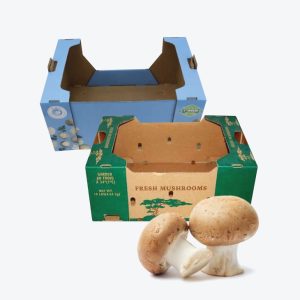
Corrugated boxes add a fluted layer between two flat sheets. That layer gives extra strength and cushioning. They suit pizza, large meals, and stacked catering orders. Strong construction protects food and lowers damage risk.
Coated Paperboard Cartons
Paperboard cartons are smooth, light, and ideal for sharp printing. A food-safe coating can resist grease and moisture. They fit burgers, sandwiches, and retail meals. Clean graphics and reliable protection come together in one carton.
Window Display Boxes
Window boxes include a clear panel that shows the food inside. The board around it still protects the product and carries the brand. Bakeries, sushi counters, and gift shops love this style. Visible products sell faster because customers can see what they get.
Design Options That Make Custom Food Boxes Look Delicious
Design shapes how a customer feels about the food before tasting it. Warm colors, clear type, and bold photos can raise appetite and trust. Consistent artwork also helps people recognize the brand at a glance. Good design turns a simple container into a brand asset.
Minimalist layouts with one logo and ample space feel modern and clean. Rich textures and luxe finishes lift desserts and specialty food. Custom artwork can tell the story behind a recipe or a founder. Every printed panel is a chance to make the order memorable.
Material Choices for Food Boxes That Hold Up and Stay Safe
Material controls how long a box lasts and how well it protects food. Weight, heat, and moisture all guide the right choice. Heavier meals need stronger board, while light snacks can use thinner stock. Eco-friendly options are available for brands that want a lighter footprint.
Kraft board gives a natural look and good strength. Corrugated cardboard adds cushioning and stacking strength for larger orders. Paperboard with a food-safe coating resists grease and moisture. FSC-certified paper can be specified for brands that care about responsible sourcing.
Key Features and Everyday Applications of Food Boxes
Features explain how a box works, and applications show where it performs. Together they decide whether a design fits the job. Food boxes balance both, so they suit many industries. Better handling and clean display help staff and customers alike. Uses range from casual takeout to gifting and retail. Branding and protection arrive in one simple package. Consistent quality keeps every order looking the same. The features below show why these boxes work so widely.
Flat-Packed Convenience
Food boxes ship and store flat until needed. Staff pop them open and fold the walls into place. That saves kitchen space and speeds up busy service hours. Efficient storage helps lower overhead for every location.
Tight Seal, No Tape
Tabs and slots lock the lid without any tape. The closure stays out of sight and keeps the surface clean. Customers still open it easily with a simple lift. A hidden seal protects food and keeps the design tidy.
Printable Flat Panels
Smooth, flat walls take ink evenly across large areas. Logos, patterns, and short messages fit with room to spare. Brands turn each side into a small billboard. Bold printed surfaces deliver recognition with every order.
Ready to Serve Use
These boxes arrive looking finished, so no extra wrapping is needed. Food goes in, the lid closes, and the order is ready. Customers receive a neat package that feels thoughtful. Time saved at the counter means smoother service for everyone.
Shapes and Styles Food Boxes Can Take
Shape controls how a box is handled, opened, and displayed. Food boxes come in many configurations, and custom shapes are possible. Rectangular and square boxes fit most products and stack neatly. Tall boxes protect burgers, while shallow boxes suit pastries and cookies. Hinged boxes guide the lid in a single, clean motion. Tapered fold-top boxes are easy to grip and carry. Flat-lay openings let customers see every item at once. Balanced proportions make each style look tidy on a counter or shelf.
Why Custom Food Boxes Win Attention in a Crowded Market
Attention drives engagement, and engagement drives sales. Packaging is often the first thing a customer touches. Interaction creates an emotional link between the person and the brand. Curiosity rises when the box looks interesting and feels well made. Crowded food markets leave little room for plain, forgettable packs. A distinctive design gives buyers a reason to look twice. Memorable packaging also helps customers remember the brand later. The four points below show how custom food boxes hold that attention.
Quality Feel at First Touch
A sturdy, smooth box signals quality before the food is seen. Customers judge care by weight, texture, and clean edges. That early impression colors how they rate the meal. Strong first contact sets a premium tone.
Hands-On Opening
Lifting a lid or releasing a tab invites interaction. Small actions keep customers involved in the experience. Engagement makes the food feel more special. A pleasant opening turns a routine meal into a moment.
Emotional Reveal
Seeing neatly arranged food creates a warm, happy reaction. Good packaging adds a feeling of being cared for. Those feelings build loyalty and word of mouth. Happy customers return to the brands that made them smile.
Shelf-Level Difference
Plain packs blend together on crowded shelves and delivery lists. Custom colors and shapes make your box easy to spot. Retail buyers notice products that look polished and organized. Standing out gives your food a clear edge over competitors.
Customization Choices for Custom Food Boxes with Logo
Custom food boxes give brands full control over identity. Custom Boxes Range customizes size, structure, print, and finish to match each menu. That flexibility supports goals from a single pop-up to a national chain. Logos and brand colors can be printed on every panel. Custom inserts hold items in place and separate sides from mains. Ribbon attachments add a gift-ready touch for bakery and dessert boxes. Personalized messaging, such as a thank-you note or recipe tip, builds connection. Each choice helps the box feel like it belongs only to your brand.
Printing and Finishing Choices for Custom Printed Food Boxes
Print quality defines how clear and appetizing your artwork looks. Finishing defines how the box feels in the hand. Together they shape what customers think about the food inside. Several techniques cover both large runs and small batches. Finishes also protect the surface from scuffs, oil, and moisture. Colors stay consistent from the first box to the last. Brands can mix methods to balance budget and impact. The options below explain where each one fits best.
Offset Versus Digital Runs
Offset printing suits long runs with sharp detail and steady color. Digital printing suits short runs, tests, and seasonal designs. Each method keeps costs sensible for its order size. Choosing the right one saves budget without hurting quality.
Metallic and Raised Effects
Foil adds a shiny accent to logos and borders. Embossing raises a design, while debossing presses it in. Spot UV highlights chosen areas with a glossy touch. These effects give dessert and gift boxes a refined look.
Protective Coating Choices
Matte coatings give a calm, modern surface. Gloss makes colors pop and wipes clean easily. Soft-touch adds a velvety feel that customers remember. Every coating helps boxes resist wear, scuffs, and everyday handling.
Most Used Styles of Custom Food Boxes
The style of a food box is its physical structure. Custom Boxes Range offers a wide range of styles with full customization. Packaging experts help buyers pick the best style for their sales channel and product needs. The right style supports easy access, solid protection, and strong retail presentation. The table below pairs common food box types with the styles that suit them best.
| Food Boxes Type | Recommended Box Style | Why It Works |
|---|
| Food Pizza Boxes | Flat corrugated square box with tuck-in lid | Flat, square, corrugated, lidded, stackable, sturdy, easy to carry, holds hot pies |
| Food Chinese Takeout Boxes | Fold-top box with optional wire handle | Folded, tapered, leak-resistant, handled, portable, holds noodles, rice, and saucy hot dishes |
| Food Burger Boxes | Tall clamshell carton | Tall, compact, grease-resistant, protects stacked burgers, keeps buns intact, easy to open |
| Food Sushi Boxes | Window-lid tray box | Shallow, clear-windowed, neat, shows rolls, protects shape, suits single and shared portions |
| Food Cookie Boxes | Square window box | Square, windowed, shows treats, protects edges, ideal for gifting and bakery counters |
| Food Sandwich Boxes | Long, slim fold-over carton | Slim, rectangular, easy to open, holds sandwiches flat, stays neat during transport |
| Food Hot Dog Boxes | Narrow tuck-top carton | Narrow, elongated, grease-resistant, fits hot dogs snugly, easy to grab and serve |
| Food Meal Prep Boxes | Compartment clamshell | Divided, hinged, portion-controlled, keeps sides apart, ideal for combos and weekly meals |
| Food Catering Boxes | Large tray or lunch carton | Large, sturdy, tray-style, serves groups, stacks well, suits events and office lunches |
| Food Cake Boxes | Square bakery box with lid | Square, rigid, protective, holds cakes upright, keeps frosting safe, easy to carry |
| Food Pastry Boxes | Window carton with tuck top | Windowed, lightweight, easy to fold, protects flaky pastries, shows fresh bakes clearly |
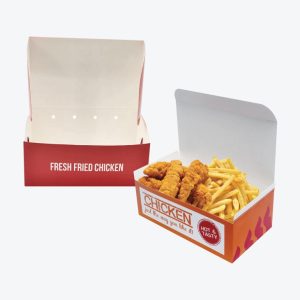
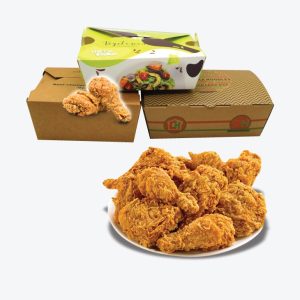
| Food Chicken Boxes | Grease-resistant fold-top carton | Sturdy, grease-resistant, holds fried pieces, fits sides nearby, suits quick-service takeout orders |
Industries That Rely on Custom Food Boxes Every Day
Food packaging touches many parts of the market. Each sector has its own pace, product, and customer. Still, all of them need boxes that protect food and promote the brand. Custom food boxes adapt to those needs without losing quality. Quick service, bakery, and catering are three of the busiest users. Many also serve retail and online delivery. The sections below explain how each group benefits.
Restaurants and Quick Service
Busy kitchens need boxes that fold fast and close securely. Fold-top, burger, and pizza styles handle most menus. Printed branding turns every takeout bag into promotion. Reliable packaging keeps service quick and customers satisfied.
Bakeries and Cafes
Cakes, cookies, and pastries need gentle protection and an attractive look. Window boxes and square cartons suit these items well. Seasonal prints can refresh the brand throughout the year. Neat packaging encourages gifting and repeat visits.
Catering and Corporate Events
Group orders need larger, sturdier boxes that stack safely. Individual lunch boxes keep portions neat and fair. Logos on each lid make the host brand visible. Professional packaging helps businesses feel organized at every event.
Matching Food Boxes to Each Industry's Needs
Every industry has its own packaging needs. Packaging that suits shipping rarely suits gifts, since materials and support differ. A pizza needs strength and heat control, while a pastry needs gentle protection. The right food boxes depend on both the product and the industry. Custom Boxes Range helps buyers choose the best food boxes for their product and industry requirements. Our experts review menu items, serving style, and delivery routes. They then suggest a structure, material, and finish that fit the plan. The table below shows how ten industries use food boxes.
| Industry | Usage Type | Unique Packaging Requirements |
|---|
| Restaurants | Dine-out and takeout meals | Leak resistance, heat retention, easy carrying |
| Pizzerias | Delivery pies | Corrugated strength, grease control, stackable shape |
| Bakeries | Cakes, cookies, and pastries | Window display, sturdy walls, gift-ready look |
| Cafes and Coffee Shops | Sandwiches, snacks, and sweet treats | Compact size, grab-and-go closure, brand print |
| Catering Companies | Group meals and events | Large trays, stacking strength, easy transport |
| Ghost Kitchens | Delivery-only meals | Secure closure, spill control, strong branding for unseen kitchens |
| Meal Prep Services | Weekly portioned meals | Compartments, tight lids, stackable storage |
| Food Trucks | Handheld street food | Light weight, grease resistance, quick assembly |
| Chocolatiers and Confectioners | Gifts and seasonal sweets | Premium finish, cushioning inserts, attractive print |
| Grocery and Deli Retail | Shelf-ready prepared foods | Display windows, label space, food-safe materials |
Flexible Order Quantities for Food Boxes Wholesale Buyers
Start-ups often need low minimums to test a new menu or brand. Bulk orders then lower the unit cost as volume grows. Wholesale quantities are flexible, so buyers can match orders to demand. Production scales smoothly from a first run to repeat orders. Growth pricing rewards brands that order more over time. Better margins follow when packaging costs fall per box. Consistency stays high because every batch follows the same specs. Clear quantities also make budget control simple for finance teams.
How to Pick the Right Food Boxes for Your Menu
Choosing the right box takes a few clear steps. Start with the product, then weigh strength, branding, and supplier. Good choices save money and prevent damaged orders. These four checks keep the decision simple.
Exact Fit and Inserts
Measure the food first, then choose a box with a snug fit. Inserts or dividers keep parts separate and stop movement. A good fit prevents crushing, spilling, and sloppy presentation. Accurate sizing protects both the meal and your margins.
Strength and Cost Balance
Heavier or hotter meals need stronger board. Light snacks can use thinner, lower-cost stock. Matching strength to weight avoids both failure and overspending. Smart balance keeps packaging dependable and affordable.
Logo and Color Clarity
Decide how prominent the logo should be and where it sits. Color accuracy matters, so request proofs for brand shades. Finishes add value but should suit the budget. Clear branding choices make the box work harder.
Picking a Domestic Partner
A US-based supplier usually offers shorter lead times. Communication is easier when teams share time zones and language. Domestic logistics reduce shipping delays and surprises. Strong quality control at the source keeps every order consistent.
Eco-Friendly Food Boxes That Customers Trust
Shoppers increasingly prefer brands that care about packaging waste. Eco-friendly boxes show that care in a visible way. That choice builds trust and encourages repeat orders.
Recyclable paper-based materials reduce reliance on plastic. FSC-certified paper can be chosen for responsible sourcing. Reusable boxes give customers a second use, such as storage. Coatings that resist grease without PFAS additives are a growing request. Long-term trust grows when packaging and brand values match.
Buying Food Boxes Wholesale From a US-Based Maker
Buying in bulk lowers the cost of each box. USA production keeps turnaround fast. Brands can restock before shelves run empty.
Nationwide delivery reaches customers in every state. Consistent quality at volume means the thousandth box matches the first. Pallet shipping moves large orders safely and efficiently. Reliable B2B supply lets operations plan with confidence. Sustainable growth pricing keeps costs steady as the brand expands.
Latest Trends Shaping Food Box Packaging in the US
Food packaging keeps changing as customer habits shift. Online ordering, health awareness, and eco concerns all play a role. US brands that follow these trends stay relevant. Four of them stand out right now.
Plastic-Free Packaging Shift
More customers prefer paper-based packaging to plastic containers. Brands respond with kraft, corrugated, and coated paperboard boxes. Recyclable materials are easier to explain and promote. Plastic-free choices support a cleaner, trustworthy image.
Delivery-Ready Security
Delivery has become a daily part of food service. Customers expect closures that stay firm during long trips. Tab locks and snug lids help meals arrive intact. Secure packaging protects ratings and repeat orders.
Bold Minimal Graphics
Many brands now favor simple layouts with one strong logo. Clean lines and plenty of space feel modern and honest. Short messages are easier to read on a moving bag. Simple design saves ink and still looks sharp.
Grease Barriers Without PFAS
Buyers increasingly ask for grease resistance without added PFAS chemicals. Natural paper materials and careful coatings can meet that need. Clear material choices build confidence in the brand. Healthier packaging matches what shoppers want to see.
Why Custom Boxes Range Is a Smart Partner for Custom Food Boxes
Choosing a packaging partner affects quality, speed, and cost. Custom Boxes Range focuses on custom food boxes for US businesses. The team works closely with each buyer from idea to delivery. Four strengths set the service apart.
Checked Before Shipping
Every order is inspected before it leaves the facility. Inspectors look at print, folds, and structure. Problems are caught early instead of reaching your kitchen. Careful checks keep quality consistent across batches.
Design Help and Samples
Designers help shape artwork and structure to suit your menu. Samples let you test fit, strength, and finish before a large order. You see real results instead of guessing from screens. Early feedback prevents costly changes later.
Made Close to You
Local manufacturing shortens the path from production to your door. Faster turnaround helps with launches and seasonal rushes. Fewer long shipments mean fewer delays. US brands gain more control over their timelines.
Clear Wholesale Pricing
Wholesale pricing is transparent, so every option has a clear cost. Rates improve as quantities rise. Quotes spell out size, material, and print choices. Honest numbers make budgeting simple for growing brands.
Request Your Custom Food Boxes Quote Today
Packaging influences buying decisions long before the first bite. Choose custom food boxes from Custom Boxes Range to make every order look and feel right. Request a custom quote today.

 Call Us (732) 344-8007 Get free quote